At Living Faith Outdoors, we believe that every outdoor adventure should be a rewarding and memorable experience. Whether you’re camping in the woods, hiking up a mountain, or enjoying a peaceful day by the lake, the key to having a great time lies in being properly prepared. Comfort and safety are essential, and that’s where the right gear and tips come into play.
In this blog, we’ll share some valuable tips for staying comfortable and safe during your outdoor excursions. From packing the essentials to choosing the right gear, we’ve got you covered so you can focus on enjoying the beauty of nature.
- Plan and Prepare for Your Adventure
Before you head out, planning is crucial. Know your destination, the terrain, and the weather conditions you’re likely to face. Whether you’re hiking or camping, having a solid plan will help you stay on track and ensure you’re well-prepared.
- Check the Weather: Weather conditions can change quickly, so it’s important to check the forecast before your trip. Knowing what to expect will help you pack accordingly, from extra layers for cold nights to rain gear for unpredictable showers.
- Know the Terrain: Research the trail, campsite, or area you’ll be exploring. Understanding the terrain will help you choose the right footwear, backpack, and other gear suited for the environment.
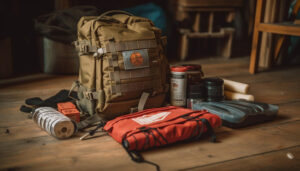
- Make a Packing List: Having a checklist will help you avoid forgetting essential items like water, food, a first-aid kit, and a map. Don’t forget a compass or GPS device if you’re heading into unfamiliar territory!
- Dress in Layers:
The right clothing can make all the difference when it comes to comfort. Layering is a great way to stay comfortable no matter the temperature or weather conditions.
- Base Layer: Choose moisture-wicking fabrics that keep sweat away from your skin and help regulate your body temperature. This will keep you dry and comfortable, especially during physical activities.
- Middle Layer: Add insulation, such as a fleece or down jacket, to trap body heat. This is essential for staying warm, especially in colder conditions.
- Outer Layer: A waterproof, windproof jacket will protect you from the elements. It’s essential for shielding yourself from rain, wind, or snow.
By layering, you can easily adjust to the changing weather by adding or removing layers as needed.
- Stay Hydrated and Nourished
When you’re out in nature, your body uses more energy than usual. Staying hydrated and keeping your energy levels up is essential for both comfort and safety.
- Bring Plenty of Water: Dehydration can lead to fatigue and even serious health issues. Always carry enough water for your entire trip, and if you’re hiking or camping, consider a portable water filter to ensure you have access to fresh water.
- Pack Easy-to-Carry Snacks: Bring high-energy snacks like nuts, energy bars, or dried fruit that are easy to eat on the go. These snacks provide quick fuel for your body when you need it most.
- Keep Safety in Mind
While adventure and excitement are part of the fun, safety should always be a priority. Having the right safety gear and knowing what to do in case of an emergency will give you peace of mind and allow you to fully enjoy your trip.
- First Aid Kit: A well-stocked first-aid kit is essential for addressing minor injuries or ailments. Include bandages, antiseptic wipes, pain relievers, and any medications you may need.
- Emergency Signaling: Always carry a whistle, mirror, or flare to signal for help if needed. A whistle can be heard over long distances, making it an essential tool for emergency situations.
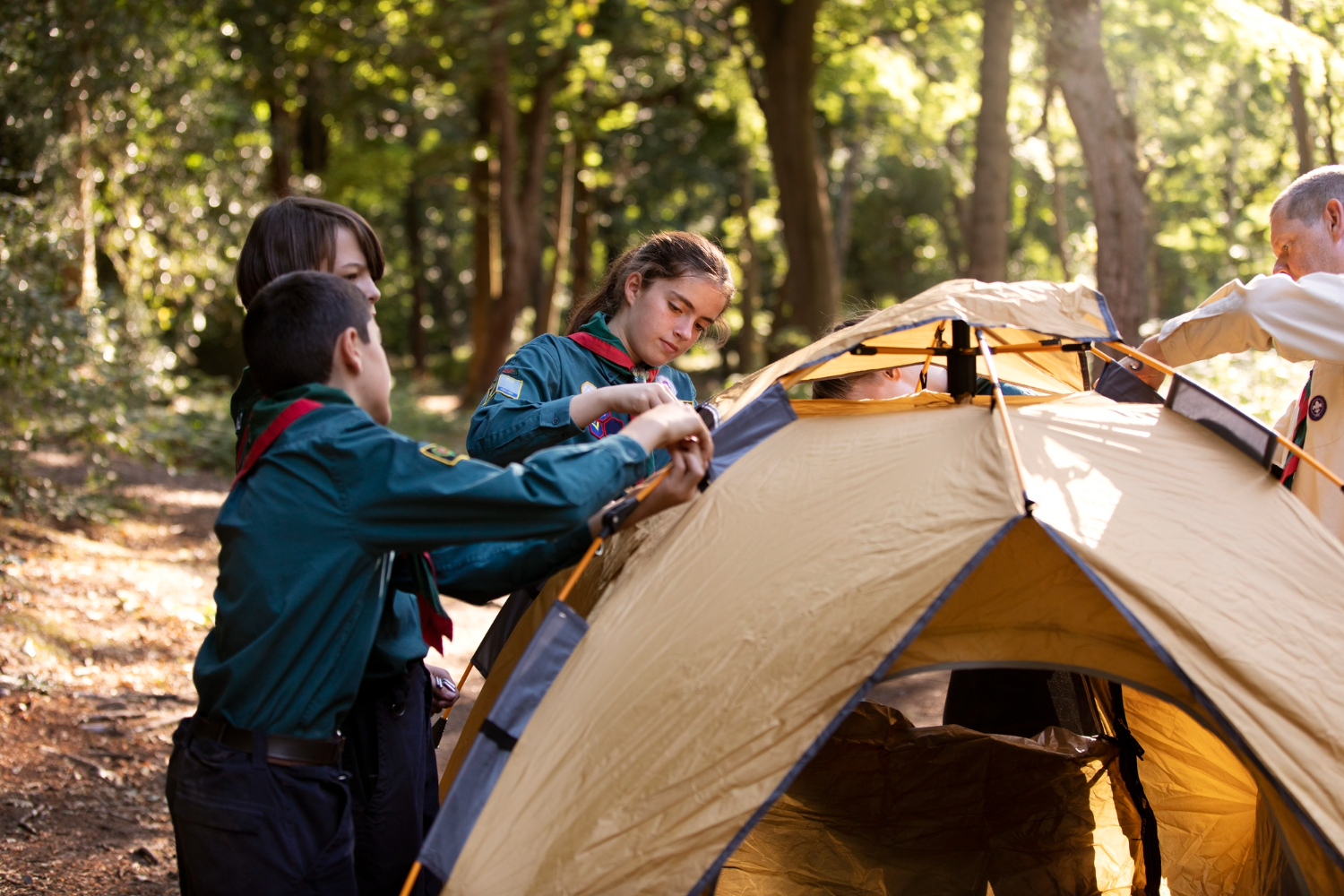
- Know Basic Survival Skills: Familiarize yourself with basic first aid, fire-starting techniques, and how to navigate using a map and compass. In case of an emergency, these skills could be lifesaving.
- Protect Yourself from the Sun and Insects
Spending time outdoors means exposure to the elements. Protect yourself from the sun and insects to avoid discomfort or health issues.
- Use Sunscreen: Even on cloudy days, sunscreen is essential to protect your skin from harmful UV rays. Be sure to apply it to all exposed skin, and reapply as needed throughout the day.
- Wear a Hat and Sunglasses: A wide-brimmed hat provides shade for your face and neck, while sunglasses protect your eyes from the sun’s glare.
- Insect Repellent: Insects like mosquitoes and ticks can carry diseases. Use insect repellent to keep them at bay, especially in areas with high mosquito activity.
- Take Breaks and Listen to Your Body:
It’s easy to get caught up in the excitement of outdoor adventures, but it’s important to listen to your body and take breaks as needed. Rest when you’re tired, eat when you’re hungry, and hydrate regularly.
- Take Frequent Breaks: Whether you’re hiking, cycling, or kayaking, taking short breaks will give your body time to rest and recharge. This will help you avoid exhaustion and prevent injuries.
- Know Your Limits: Pushing yourself too hard can lead to injury or fatigue. Know when to stop and rest, and don’t hesitate to turn back if conditions become unsafe.
Outdoor adventures are a wonderful way to disconnect, recharge, and experience the beauty of nature. By following these tips for comfort and safety, you’ll be able to enjoy every moment while staying prepared for whatever comes your way.
At Living Faith Outdoors, we are dedicated to providing you with the best outdoor gear and essentials to make your adventures more enjoyable and safe. Whether you’re a seasoned explorer or a first-time adventurer, we have everything you need for a successful trip.
Ready to gear up for your next adventure? Visit livingfaithoutdoors.com to browse our full selection of camping, hiking, and outdoor gear!